Richard Goodyear – Acting DP Primary
It has been great to be back at Wā Ora these past couple of months. It is not the first time I have dipped back in. In fact, between 2020 and 2022 I returned for three different part-time stints, after spending eight years here as a full-time teacher across both the Primary and High School.
Working in a variety of schools — both Montessori and mainstream — and then returning to Wā Ora so many times has given me a unique perspective I reckon. One of the things that consistently strikes me about Wā Ora and Montessori education itself, is the strength of the connections and sense of community that exist here.
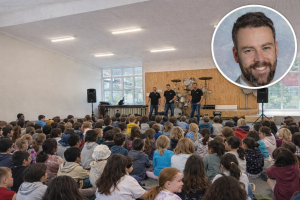
I have been fortunate enough to attend many Wā Ora Year 13 graduation ceremonies over the years, and I think it is in this setting that these values reveal themselves most clearly. Each graduate is invited to stand up and share their reflections on their time at school, as well as their plans for the future.
Almost without exception, these young adults speak about the strong sense of community they experienced and the meaningful relationships they formed with both fellow students and teachers. Just as importantly, many talk about how those relationships carried them through difficult periods in their lives.
When adolescents open up and tell us what truly matters in their education, we need to listen. And it always does my heart proud to hear these reflections because they affirm something that sits at the very centre of both Wā Ora’s vision and Montessori philosophy.
What strikes me is that these graduates are rarely talking about specific lessons, assessments, or academic achievements. Instead, they talk about people. They talk about the teachers who believed in them, the friends who stood beside them, and the community that helped them navigate difficult times. This is significant because Montessori education has always understood that human development does not occur in isolation. The process of becoming oneself takes place within an environment, and that environment is made up not only of physical spaces and learning materials, but also of relationships.
Dr Montessori described education as an “aid to life”.¹ She recognised that academic attainment was only one aspect of education and that the deeper purpose of schooling is the development of the whole person. Children are engaged in a process she referred to as self-construction² — the lifelong work of becoming who they are meant to be. This process does not occur in a vacuum. It unfolds within a carefully prepared environment, and Montessori understood that relationships are one of the most important elements of that environment.
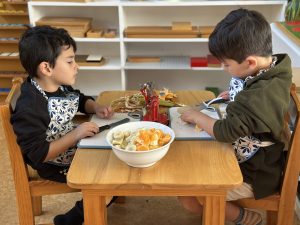
The Montessori environment is often described as a prepared environment, but this preparation extends far beyond shelves, materials, and lessons. Montessori understood that the environment includes everything that surrounds the child, including the social and emotional climate in which they learn. Children need adults who know them well, trust them, and guide them with both warmth and high expectations. They need peers who challenge them, support them, and share their journey.
One of the great strengths of Wā Ora is that these relationships begin early. Some of our children start their journey in playgroup and continue through many years of Montessori education. During that time they are deeply known by the adults around them and become part of a community that values them for who they are. This continuity of relationships helps create the conditions in which children can develop independence, confidence, and a strong sense of belonging.
When I think about the graduates I have listened to over the years, I am reminded that the true impact of education is often not fully visible until much later. Long after specific lessons have been forgotten, people remember who believed in them, who guided them through difficult times, and where they felt they belonged.
That is the enduring gift of a strong community. It helps young people become not simply successful students, but confident, capable, and connected human beings. In many ways, this reflects Montessori’s vision of education itself: not merely preparation for examinations or careers, but preparation for life.
References
- Montessori, M. (1996). Education for a New World. Oxford: Clio Press, pp. 5–6.
- Montessori, M. (2007). The Absorbent Mind. Amsterdam: Montessori-Pierson Publishing Company, pp. 13–18.